
Leveraging Social Trading: How Community Intelligence Is Changing Modern Markets
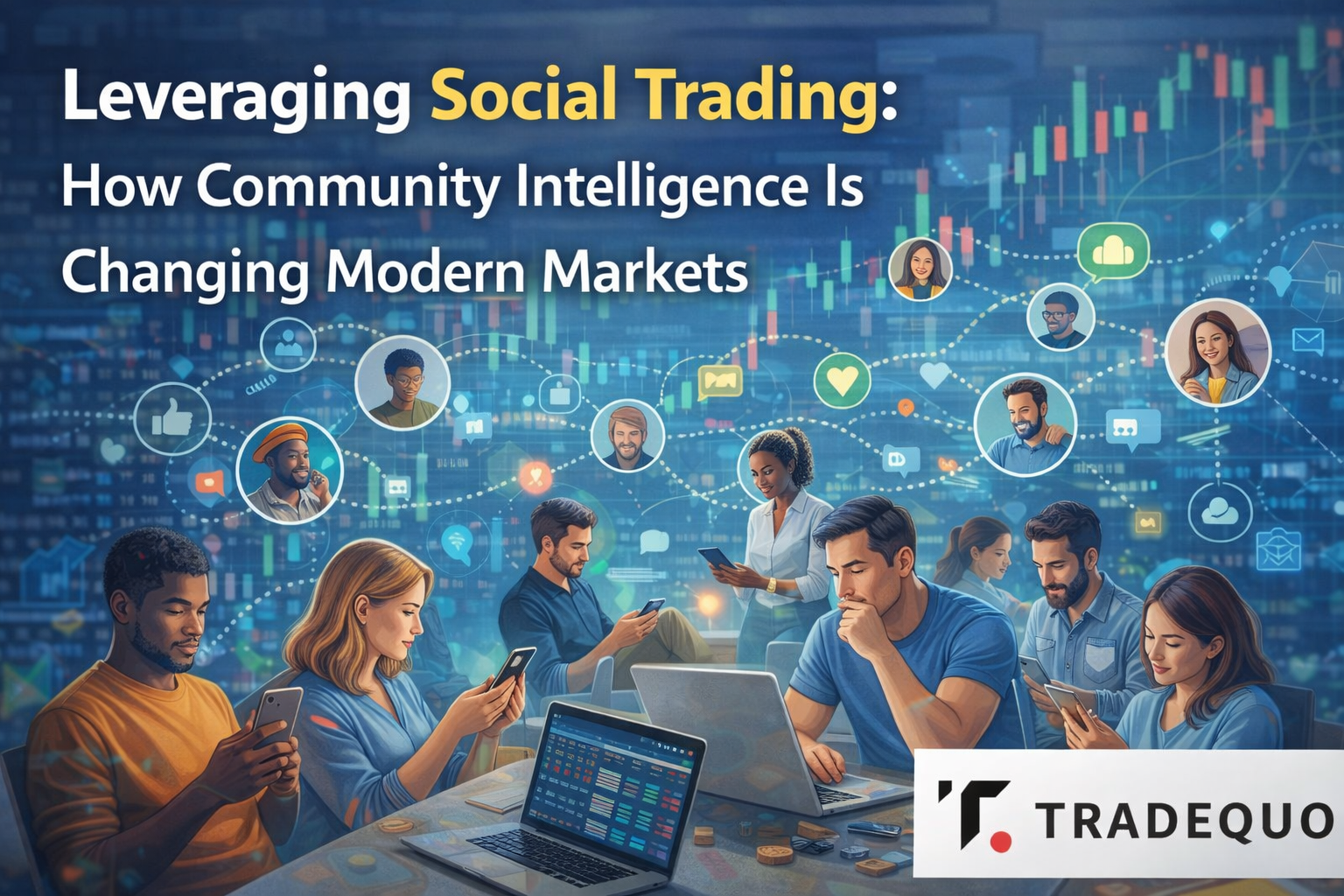
Introduction: The Shift Toward Collaborative Trading
For years, trading was considered a solitary activity. Individual traders relied on personal research, isolated decision-making, and private risk management. But financial markets have evolved. Today’s traders increasingly operate within digital ecosystems built around transparency, shared performance data, and collective insight.
This shift has accelerated the rise of social trading — a model that combines technology, data analytics, and a connected trading community to create a more collaborative trading experience.
As transparency becomes a priority, traders are looking for platforms that offer visible results, measurable performance, and structured strategy evaluation rather than opaque marketing claims.
What Is Social Trading and Why It Works
Social trading is a system where traders can observe, evaluate, and interact with the strategies of others in real time. Instead of learning solely through theory, traders can see how experienced participants manage risk, structure entries, and exit positions.
The core idea behind social trading is simple:
Technology + Community = Smarter Decisions
Key components typically include:
• Public strategy performance data
• Transparent trader rankings
• Risk metrics such as drawdowns and consistency
• Automated replication through copy trading tools
This structure transforms trading from an isolated activity into a data-driven ecosystem.
How Copy Trading Fits Into the Model
Copy trading is a central feature within social trading environments. It allows users to automatically replicate trades executed by selected strategy leaders.
Importantly, this is not blind following.
Modern copy trading tools allow users to define:
• Risk allocation levels
• Maximum drawdown limits
• Capital percentage to allocate
• Ability to pause or stop copying anytime
The investor maintains control of funds while automation mirrors selected trades.
This blend of automation and oversight reduces emotional decision-making and removes the need for constant chart monitoring.
The Power of a Trading Community
A structured trading community offers more than signal copying. It creates an environment where:
• Strategies are validated by followers
• Performance transparency encourages discipline
• Traders engage around risk management insights
• Reputation is built on consistent results
Shared intelligence often outperforms isolated trading because collective data reduces bias and emotional reactions.
When performance is visible, accountability increases.
Evaluating Trader Rankings Objectively
Transparent trader rankings are essential to responsible social trading. Leaderboards typically display:
• Long-term profitability
• Risk-adjusted returns
• Historical drawdowns
• Trade consistency
• Win/loss ratios
Rather than focusing on short-term spikes, disciplined investors analyze stability over time.
Rankings help reduce impulsive decisions by replacing hype with data.
Benefits for Everyday Traders
For retail traders, social and copy trading provide:
• Reduced time commitment
• Access to experienced strategies
• Real-time performance tracking
• Risk filters and automated controls
• Flexibility to adjust or stop strategies
This structure appeals to both beginners seeking guidance and experienced investors diversifying exposure.
TradeQuo’s Role in the Social Trading Ecosystem
Platforms such as TradeQuo illustrate how AI-powered social trading ecosystems are evolving. The platform integrates community interaction, transparent trader rankings, and automated copy trading within a structured interface.
Performance data is visible in real time, while users define their own copy parameters and risk thresholds. Funds remain under user control, and strategy performance is trackable.
The emphasis is placed on data transparency and structured decision-making rather than speculative signal chasing.
Getting Started With Copy Trading
The general process across most platforms includes:
1. Opening a trading account
2. Accessing social or copy trading tools
3. Reviewing strategy leaders
4. Setting allocation and risk preferences
5. Monitoring performance continuously
No direct platform navigation is required — the framework is standardized across modern social ecosystems.
Becoming a Strategy Leader
Skilled traders can monetize expertise by allowing others to copy their trades. Income is typically generated through performance-based copy fees.
Benefits include:
• Scalable income
• Transparent reputation building
• Increased visibility within the trading community
Performance remains fully visible, encouraging consistent strategy discipline.
Conclusion
Social trading blends automation, analytics, and community intelligence. By integrating transparent trader rankings with copy trading tools, modern ecosystems offer structured collaboration. Platforms like TradeQuo reflect how AI-driven social trading models are shaping a more data-centered future for both beginner and experienced traders.